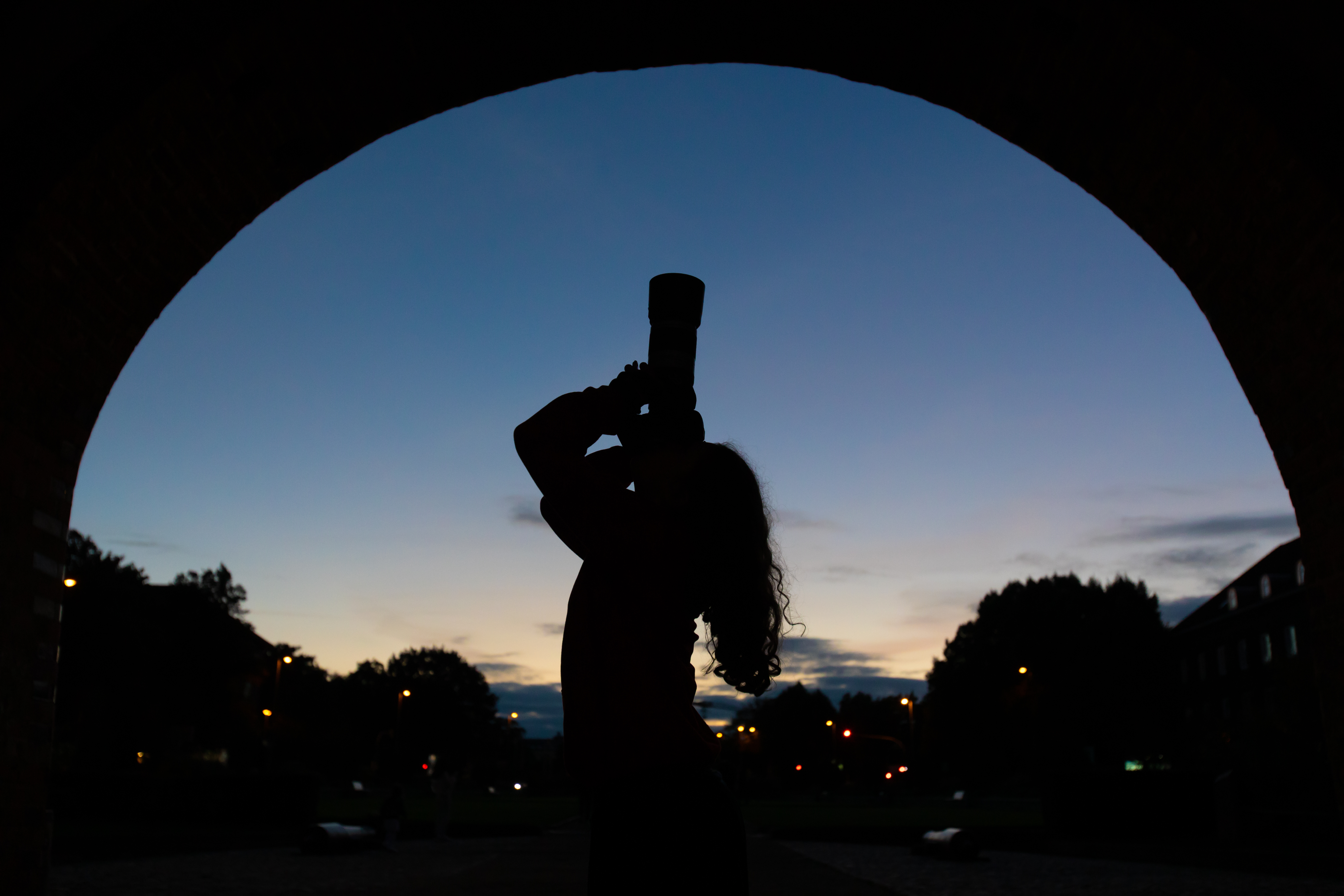
It all started with my grandpa, who had a photo shop where my dad helped out and learned — just as I later did from him. I still remember the Christmas when I got my first camera, inherited from my dad. I took photos the whole evening — bad exposure, wrong shutter speed — but lots of fun.
From then on, I took on the role of the family’s personal photographer for holidays and events, alongside my father. I got better over time and spent a lot of time outside, capturing nature’s beautiful scenes (luckily, we lived in a small village next to a lake and forest). I found a passion for photographing the smallest and the biggest, the most fragile and the most vast and robust — or maybe rather unstable? Macros of nature’s tiny creatures, flowers, patterns we’d usually overlook; and the one thing maybe everyone looks up to: the sky, the stars, the moon, the blinking patterns we can find there.
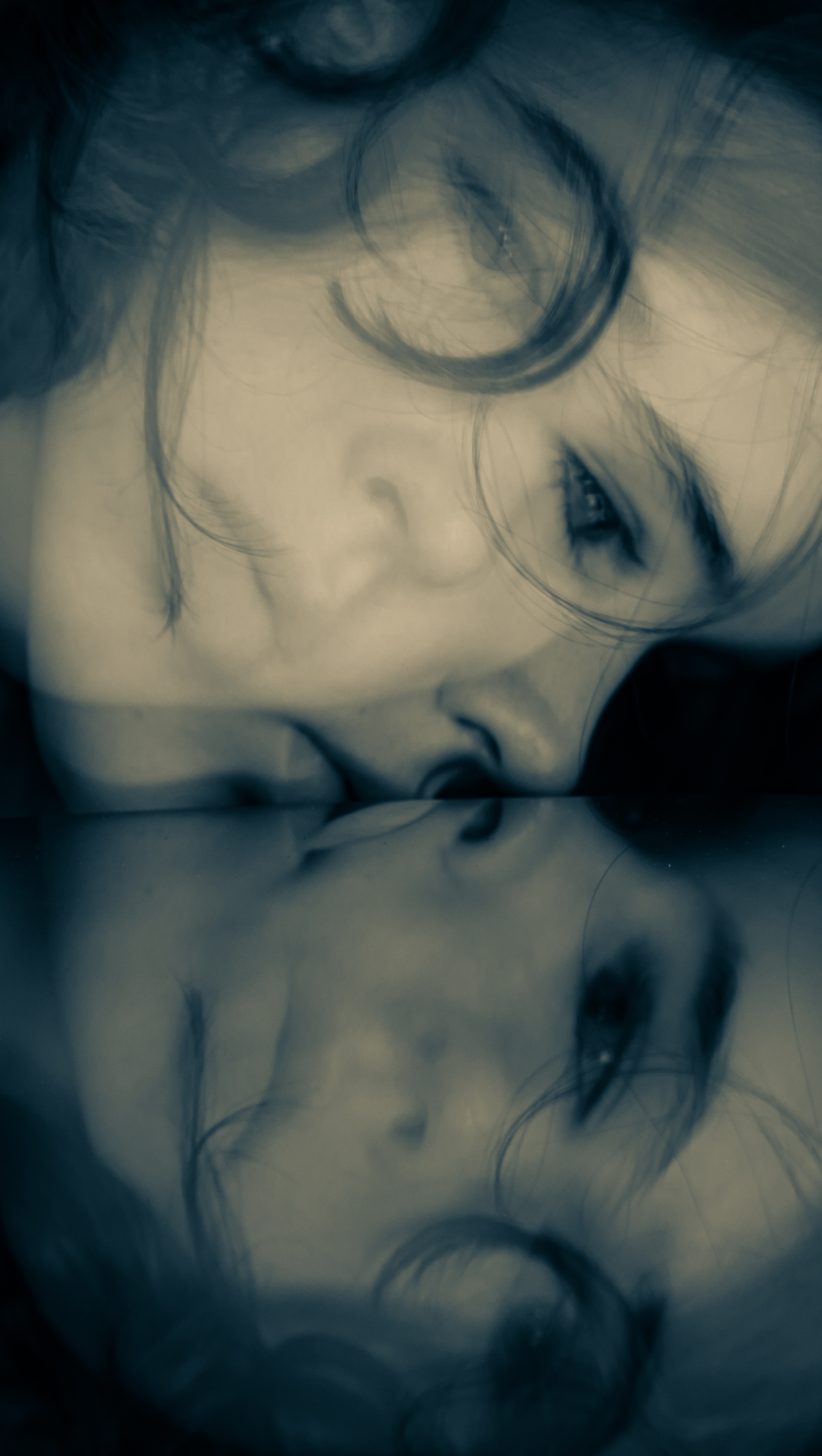
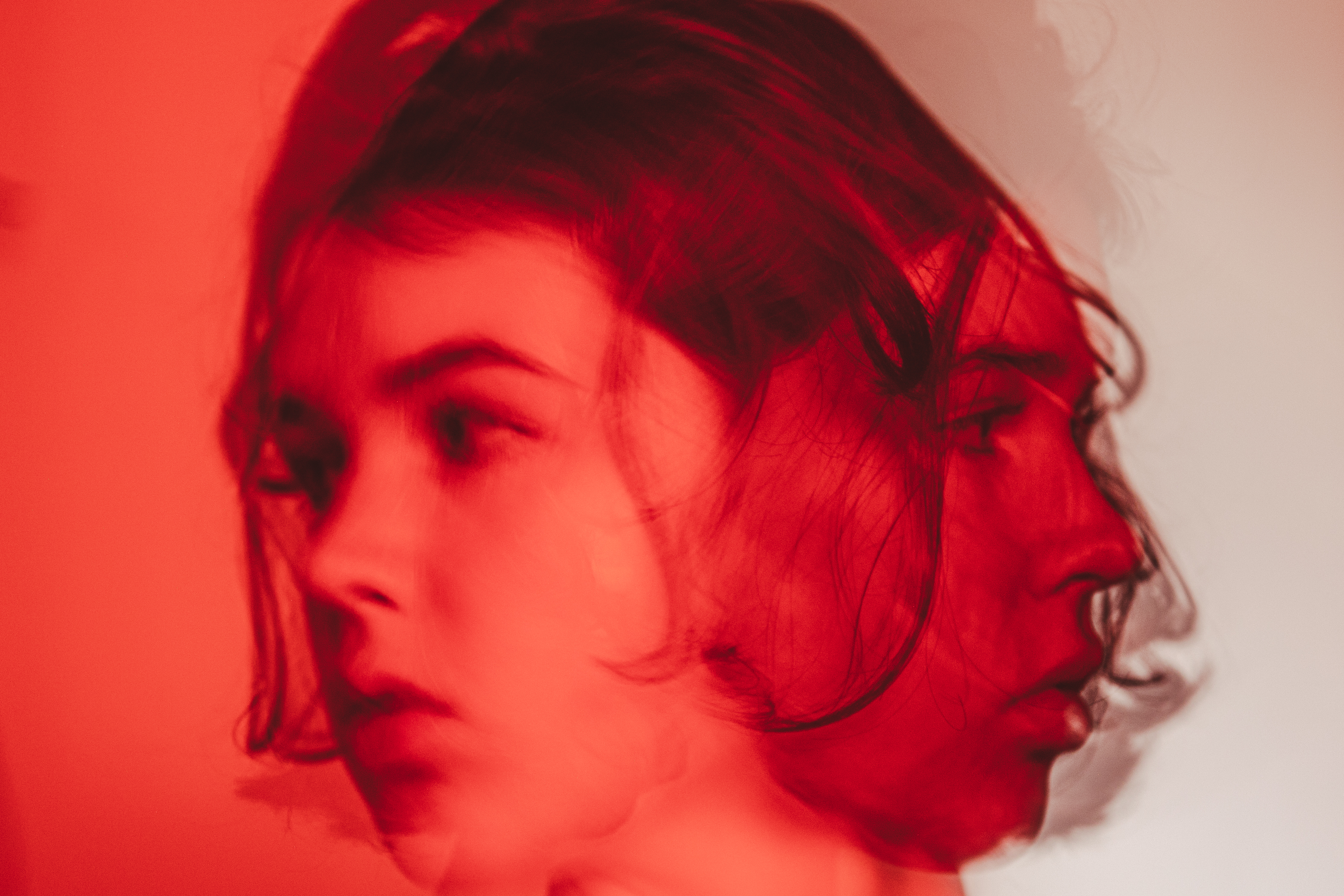
Some years later, I took my first self-portrait. I became interested in experimenting with shutter speed — and in that way, kind of layering images within a single shot.
Personally, I didn’t want to edit my photos much. I liked them natural, with no added effects — except when the intention was to create a different kind of art. Because highly edited photos can absolutely be art! But I believe that should be seen as something separate from photography itself. There are different branches of photography, and each has its reasons to exist — but they should be labeled and treated differently.
Long story short: I try to keep my photos as natural as possible, but sometimes I enjoy creating a different kind of art from them.
Coming back to portraits: I like to tell stories with them, to create visual impulses for thought — like an essay in image form. That doesn’t mean the message has to be obvious, but rather open — something the viewer can resonate with in their own way, interpreting it however they want to.
Here is one example: If you are interested in more, follow this path.